Dog Nutrition
Can French Bulldogs Eat Bread? What's Fine and What's an Emergency
Plain bread is harmless in small amounts but nearly useless nutritionally. The breads that are genuinely dangerous, why raw dough is an emergency, and how much is too much.

Table of contentsContents
Most Frenchies would take a slice of bread out of your hand without a second thought. Plain bread in small amounts won’t hurt a healthy dog, but it is close to useless nutritionally, and a few kinds of bread are genuinely dangerous. The one worth knowing about before anything else is raw dough.
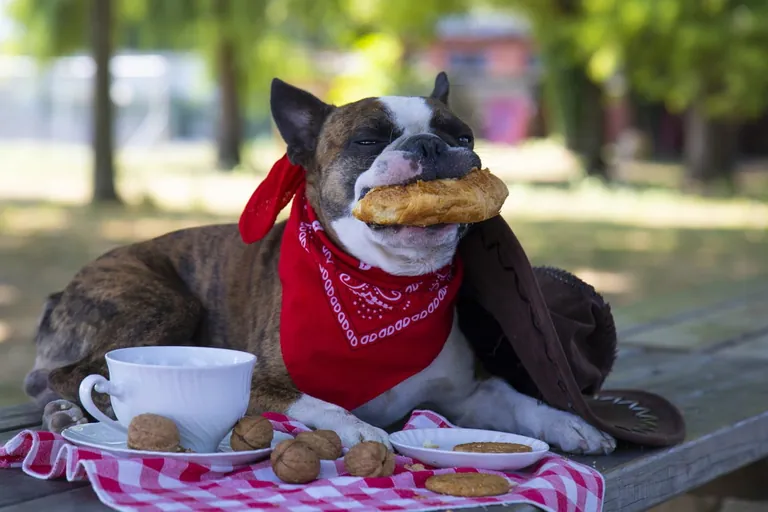
Raw bread dough is an emergency
If your dog eats raw yeast dough, call your vet or an emergency clinic straight away. Don’t wait to see what happens.
Two things go wrong at once (VCA Animal Hospitals). The warmth of the stomach is ideal for yeast, so the dough keeps rising and can swell enough to distend the stomach, and a bloated stomach can twist, which is life-threatening. At the same time the yeast produces ethanol, which is absorbed into the bloodstream and causes alcohol poisoning.
Signs include a swollen, painful belly, retching without bringing anything up, wobbliness or appearing drunk, and low body temperature. Treatment may mean making the dog vomit before signs start, or hospital care with fluids and monitoring.
Keep proving dough well out of reach. A Frenchie can’t jump onto a counter, but they can absolutely reach a bowl left on a low table.
Breads to avoid completely
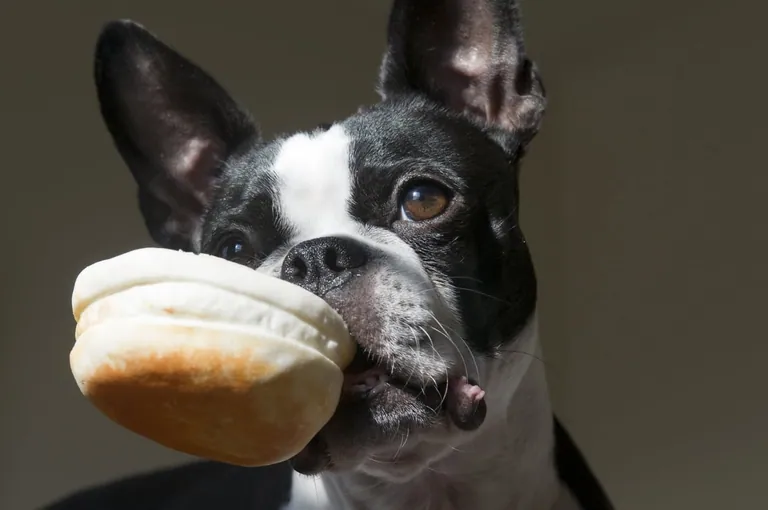
Garlic bread. Garlic damages red blood cells and causes anemia, and it’s 3 to 5 times more toxic than onion. All forms count, including powdered and dried, which are more concentrated than fresh. Signs of anemia can take several days to appear (VCA Animal Hospitals). Onion bread, and anything brushed with garlic butter, is the same story.
Raisin bread, fruit loaf and hot cross buns. Grapes and raisins can cause kidney failure in dogs, and there’s no known safe amount. Treat any raisin-containing bread as a call to your vet.
Anything with macadamia nuts, which are toxic to dogs.
“Sugar-free” or low-carb breads. Some contain xylitol, which causes a rapid drop in blood sugar and can be fatal. It may be listed as wood sugar, birch sugar or birch bark extract (FDA).
Chocolate-containing breads and pastries, for the same reason chocolate itself is off the list.
Our guide to foods that are toxic to dogs covers the rest, and if you want the all-dogs version of this question, our cornbread article looks at that one specifically.
Plain bread: fine, but pointless
White, wheat, rye or sourdough, baked and plain, is not toxic. A small piece now and then is unlikely to cause a healthy dog any problem beyond a bit of gas.
The catch is the arithmetic. White bread runs about 266 calories per 100 grams (USDA FoodData Central), so a standard slice is roughly 75. Treats should stay within about 10% of daily calories (VCA Animal Hospitals), and for a 25-pound Frenchie that whole allowance is only about 50 to 70 calories. One slice of bread uses it up and then some.
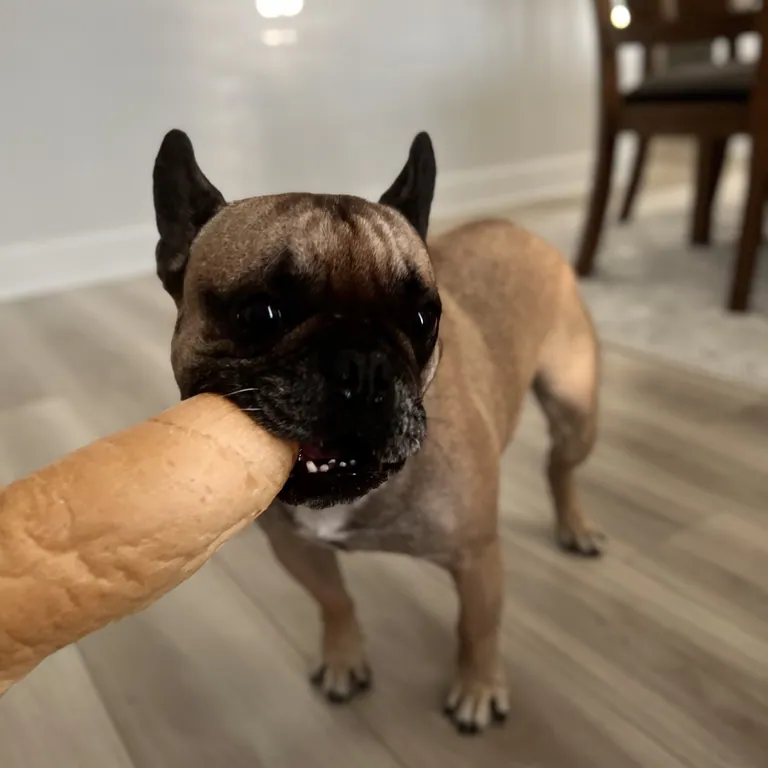
So if you want to share: a piece the size of your thumbnail, occasionally, and count it against the day’s treats. Not three or four pieces a day. This breed gains weight easily, and extra weight makes breathing and joints worse; our weight guide covers why that matters so much here.
Bread is also worth avoiding entirely if your dog has a wheat allergy, is on an elimination diet, or has a sensitive stomach. Our guide to French Bulldog food allergies explains how food reactions are actually diagnosed.
Toast, butter and the rest
Buttered toast adds fat, which can upset a stomach and contribute to pancreatitis. Toast with jam adds sugar. Bread with seeds is usually fine but adds nothing. Bread crusts are no different from the rest of the loaf.
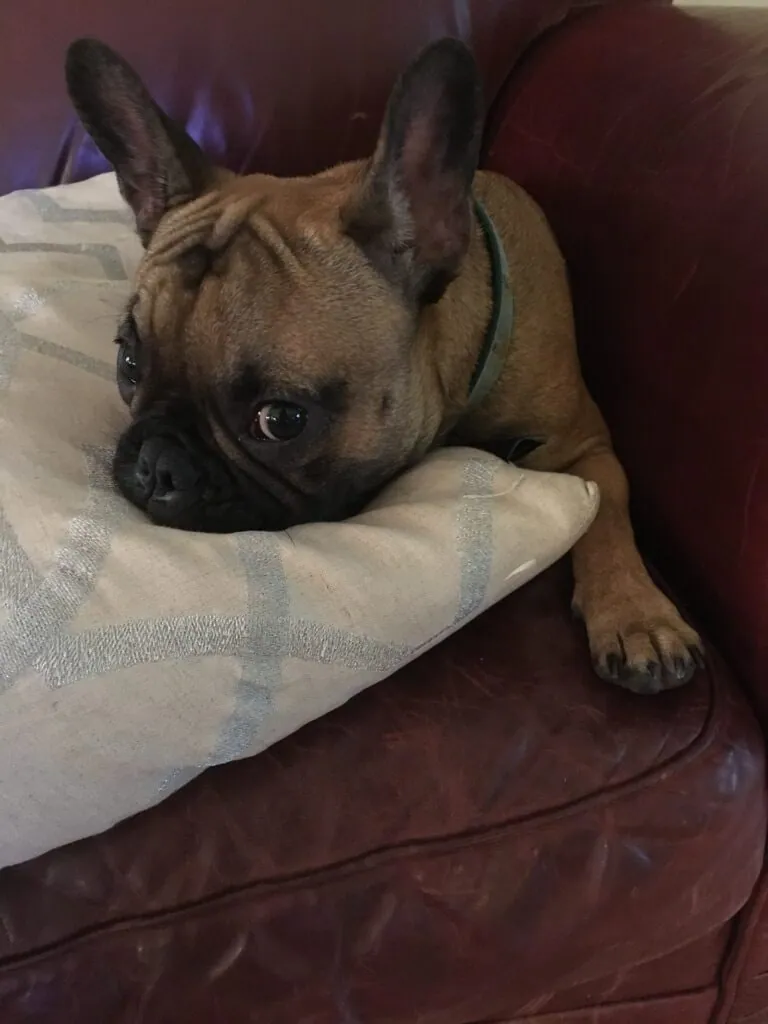
If your dog eats a whole loaf
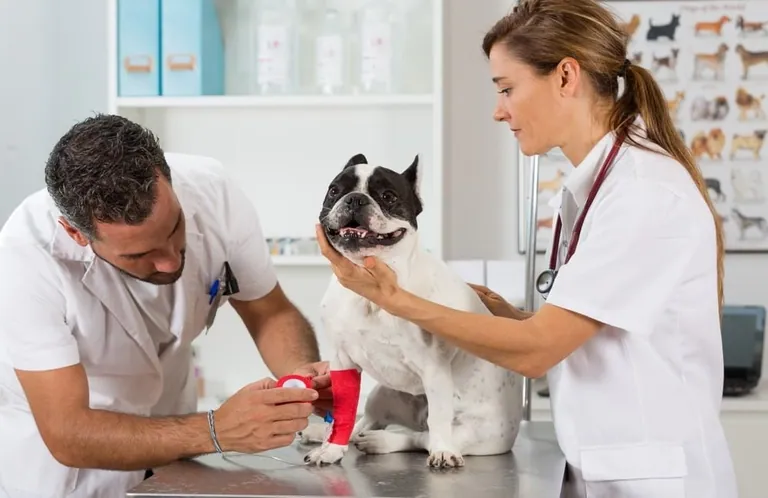
Baked bread in quantity isn’t toxic, but a lot of it can cause an uncomfortable, gassy dog and sometimes a blockage, especially if the wrapper went down too. Call your vet if your dog ate the bag, if the bread contained garlic, raisins, nuts or xylitol, or if it was raw dough. Otherwise watch for vomiting, straining, a swollen belly or lethargy over the next day or two, and call if any appear.
Better things to share
- Carrot sticks, green beans, cucumber or a little plain pumpkin: low in calories and actually useful.
- Small pieces of plain cooked chicken or a little plain cooked sweet potato.
- Proper dog treats, broken small. Something like Fruitables baked treats or Merrick Power Bites is easy to portion.
Introduce anything new gradually, one thing at a time, so you can tell what caused a problem if there is one. Our food guide covers the main diet.
Frequently asked questions
Can French Bulldogs eat bread?
Plain, baked bread in small amounts, yes. It offers a dog almost nothing nutritionally, and it’s easy to overdo in a small breed.
How much bread can my Frenchie have?
Much less than you’d think. A slice is about 75 calories, and a 25-pound Frenchie’s whole daily treat allowance is roughly 50 to 70. A thumbnail-sized piece occasionally is plenty.
What if my dog ate raw bread dough?
Call your vet or an emergency clinic immediately. Rising dough and the alcohol it produces are both dangerous.
Is garlic bread really that bad?
Yes. Garlic damages red blood cells, it’s more toxic than onion, and signs of anemia can take days to show. Call your vet.
Can French Bulldogs eat toast and butter?
Skip the butter. The extra fat can upset a stomach, and it adds calories a Frenchie doesn’t need.