
Reviews
Best Chew Toys for Puppies: 10 Picks, and 6 to Avoid
Teething puppies chew everything. These are the ten chew toys I would actually buy, the ones I would avoid, and a two-second test for whether a chew is too hard for a puppy's teeth.

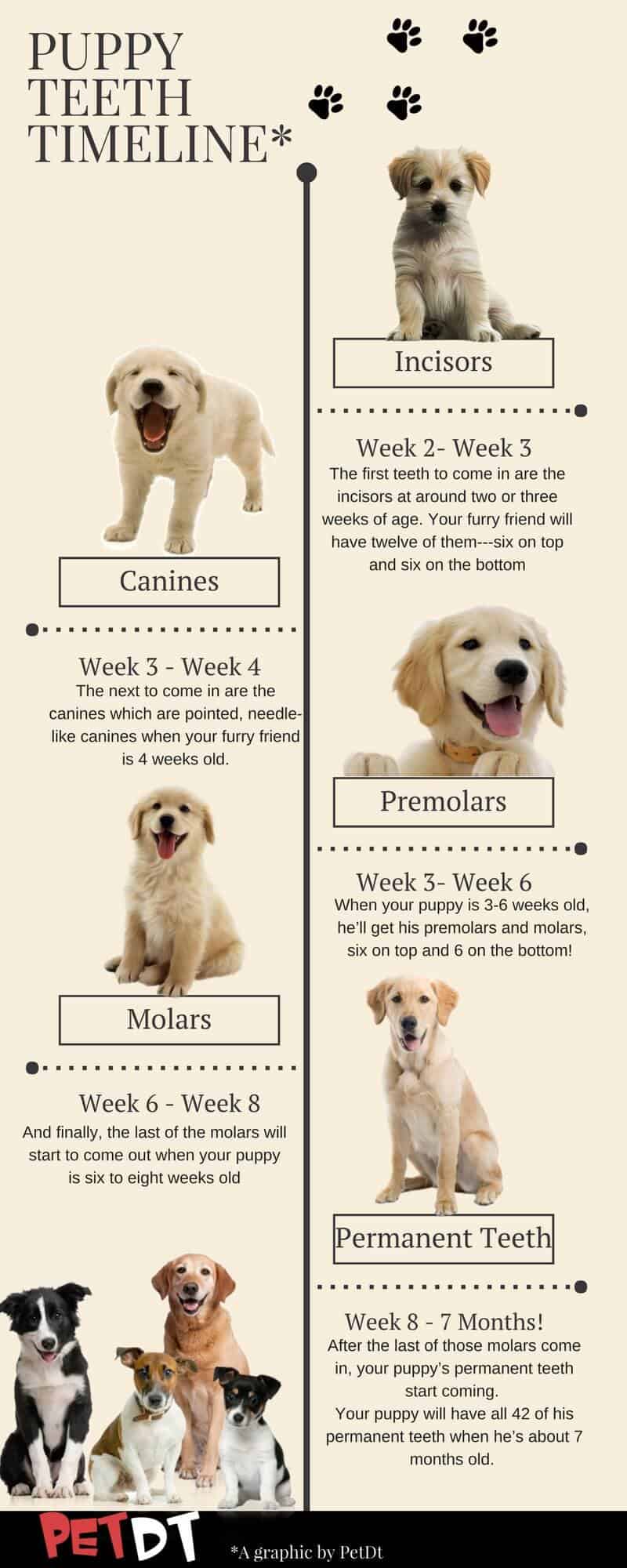
Table of contentsContents
Do you have a tiny little ball of fur at your place?
Well, puppies are the cutest creatures on the face of the Earth! And getting a new puppy friend is really exciting. You get unlimited licks, attention, and cuddles from your puppy friend.
And all of your friends come over to see the new member of your family.
But puppies are a lot of work.
And when they start teething, they chew on anything and everything!
My doors, tables and slippers were all destroyed by my little labrador when he was teething. Getting him something of his own to chew turned out to be the only thing that actually worked.
Below are ten chews worth handing a new puppy, why each one earned its place, and — just as importantly — the ones to steer clear of.
Ready?
A Little About Your Puppy’s Teeth: Toothy Problems
Teething is something we all go through.
And it isn’t much fun.
Anyone who has had a wisdom tooth come through knows the feeling, and a puppy is cutting forty-two of them.
So it helps to know what is actually happening in there.
Getting Those Teeth In: A Timeline
Here’s the timeline.
But first, don’t panic if your puppy isn’t sticking to this timeline. It’s a general one, and it depends on your puppy’s breed as to which teeth they’ll get first.
That being said, here is roughly how it goes.
-
The first teeth to come in are the incisors at around two or three weeks of age. Your furry friend will have twelve of them—six on top and six on the bottom.
-
The canines next come in, which are pointed, needle-like canines when your furry friend is 4 weeks old. He’ll have 4 of them—two on the upper jaw and two on the lower jaw.
-
When your puppy is 3-6 weeks old, he’ll get his premolars and molars, six on top and six on the bottom.
-
And finally, the last of the molars will start to come out when your puppy is six to eight weeks old.
But that’s not all!
Hello, Toothfairy! My Old Friend.
The teething process is a long one.
After the last of those molars come in, your puppy’s permanent teeth start coming through, and they push the milk teeth out as they go.
Your puppy will have all 42 of his permanent teeth when he’s about 7 months old.
Permanent teeth replace the milk teeth tooth by tooth while they literally fall off.
The worst of it usually lands between three and six months. That’s the window where the chewing gets destructive, and it’s the window these toys are really for.
And while we’re at it, make sure you start grinding your puppy’s nails early.
You’ll thank me later…
The Best Chew Toys for Puppies: A Roundup
A table makes this kind of thing much easier to scan, so here are all ten side by side.
Ten Puppy Chews, At A Glance
| Product Name | Material | Best For | Price |
|---|---|---|---|
| KONG Puppy | Soft natural rubber | The one to buy first — stuff it, freeze it, done | Check Price |
| Benebone Puppy 2-Pack | Softer puppy nylon | Determined chewers who destroy rubber | Check Price |
| Petstages Cool Teething Stick | Fabric, freezable | Sore gums at their worst — supervised only | Check Price |
| West Paw Tux | Zogoflex rubber | Treat stuffing, and a chew-through guarantee | Check Price |
| Nylabone Puppy Chew Teething Bone | Softer puppy nylon | A cheap, classic bone shape | Check Price |
| KONG Puppy Goodie Bone | Soft natural rubber | Puppies who like to hold a chew between their paws | Check Price |
| Nylabone Puppy Freezer Knuckle Bone | Softer puppy nylon | Soaking and freezing | Check Price |
| Otterly Pets Rope Toys (3-Pack) | Cotton rope | Tug, and the cheapest way in | Check Price |
| West Paw Jive Ball | Zogoflex rubber | Fetch that survives a chewer | Check Price |
| KONG Puppy Teething Stick | Soft natural rubber | Ridges that hold kibble paste | Check Price |
What Are The Best Chew Toys For Puppies?
Before the list proper, two things worth saying.
The first is that you want two or three of these, not one. Puppies get bored of a single toy fast, and a bored puppy goes looking for your shoes. Rotating a few chews works far better than buying one expensive thing and hoping.
The second is about safety, and it’s the part most roundups leave out.
First, A Quick Word On Chew Safety
Several of the toys below are made from nylon. It lasts, and that’s exactly why people buy it. But veterinary dentists are consistent on this point: hard chews are one of the most common causes of a slab fracture — a cracked tooth, usually one of the big upper premolars, that often ends in an extraction.
There’s a simple way to judge a chew, and it takes two seconds:
The thumbnail test. Press your fingernail into the toy. If it leaves a small dent, there’s enough give for it to be reasonably safe. If your nail bends instead of the toy, it’s hard enough to break a tooth.
The kneecap rule. The same idea, blunter: if you wouldn’t want someone tapping the toy against your kneecap, it’s too hard for your puppy’s mouth.
Be honest with yourself here, because plenty of firm nylon chews don’t pass either test. That doesn’t put them off-limits, but it does mean a few things really matter:
– Use the puppy versions. Nylabone and Benebone both make separate puppy lines from a softer material. These aren’t the adult chew in a smaller size, and an adult chew is not meant for a teething mouth. It is the most common mistake people make here.
– Size up, never down. The toy should be too big for your puppy to get all the way into their mouth. That’s the thing that stops it being swallowed.
– Supervise, especially in the first few weeks. A chew toy is not a babysitter.
– Retire them once they wear. When the ends go rough or chunks start coming away, throw it out. Worn nylon develops sharp edges, and a swallowed piece can cause a blockage.
– When in doubt, go softer. Rubber and rope are gentler on baby teeth than nylon is.
If you’d like a properly vetted starting point, the Veterinary Oral Health Council publishes a list of dental products that have actually been tested against their standards. And if your puppy does crack a tooth, that’s a vet visit — not something to wait out.
Right. On with the list.
1. KONG Puppy

Via amazon.com
If you only buy one thing off this page, buy this.
The KONG Puppy is the toy vets and trainers reach for most often, and it isn’t because of clever marketing. It’s made from a softer rubber than the classic red KONG — that one is genuinely too hard for baby teeth — and the hollow middle is what makes it earn its keep.
Here’s what I’d actually do with it: pack it with a little wet puppy food or plain peanut butter, then freeze it overnight. You’ve now got a cold, gum-numbing chew that takes a puppy half an hour of concentration to finish. On the days when the teething is at its worst, that half hour is worth a lot.
It’s also the toy I’d hand someone struggling with crate training. A puppy who associates the crate with a frozen KONG stops arguing about the crate.
The Pros:
– Softer rubber made specifically for puppy teeth
– Stuff it and freeze it for proper teething relief
– Bounces unpredictably, so it doubles as a fetch toy
– Genuinely useful for crate training
The Cons:
– Needs washing, and the inside is fiddly
– An empty one is much less interesting than a stuffed one
Sizing matters here. Get the size that matches your puppy’s adult weight rather than what they weigh today, or you’ll be buying another in two months.
2. Benebone Puppy 2-Pack Dental Chew & Wishbone
Via amazon.com
Some puppies go through rubber. If yours is one of them, this is the next thing to try.
You get two chews in the pack — a dental chew and a wishbone — both flavoured with real bacon and made in the USA. The wishbone shape is the clever part. It’s curved so a puppy can pin it with their front paws and get proper leverage, which is much easier than trying to hold a straight bone still.
The dental chew has ridges running along both ends that scrape at plaque while your puppy works on it.
This is nylon, so the safety notes above apply. But Benebone’s puppy line is softer than their adult range, and that difference is real rather than marketing.
The Pros:
– Two different shapes in one pack
– Curved wishbone is genuinely easier for a small puppy to hold
– Ridges help with plaque
– Lasts far longer than rubber with a determined chewer
The Cons:
– Still a firm nylon chew
– You’ll need to replace it once the ends start to wear
– Bacon flavour is strong, and some puppies aren’t interested
3. Petstages Cool Teething Stick
Via amazon.com
This one is different from everything else here, and it is worth being clear about what it is.
It’s a fabric stick with a stuffed core. You soak it, wring it out, and freeze it. What you get back is cold and crunchy, and for a puppy in the thick of teething it’s the fastest relief on this page. My lab would flop down with one of these and go quiet, which at four months old was not a common event.
Now the caveat, and it’s an important one: Petstages say plainly that this is not a chew toy and that it needs supervision. It’s fabric. A puppy left alone with it will eventually shred it. Treat it as a twenty-minute comfort item you hand over and take back, not something you leave in the crate.
Used that way, it’s excellent and it costs very little.
The Pros:
– Freezes properly, and the cold does the work
– Cheap
– The texture change when frozen keeps puppies interested
The Cons:
– Supervised use only — it will not survive being left alone with a puppy
– Needs re-soaking and re-freezing every time
– Not durable in any real sense
4. West Paw Tux
Via amazon.com
This is the toy I leave out when I’m going to be gone a while.
It’s a hollow, three-lobed shape made from West Paw’s Zogoflex rubber, and the point of it is the cavity in the middle. Load it with something sticky and your puppy has a job to do rather than a sofa to investigate.
What sets West Paw apart is the guarantee. If your dog destroys it, they replace it once — and the fact that a company is willing to make that offer on a chew toy tells you something. It’s dishwasher safe and recyclable too, which I didn’t expect and appreciate.
The Pros:
– Holds treats well, and the shape makes them hard to extract quickly
– Backed by a one-time replacement guarantee
– Dishwasher safe and recyclable
– Bounces oddly, which puppies enjoy
The Cons:
– A very small puppy may struggle to get a grip on it at first
– More expensive than most things on this list
5. Nylabone Puppy Chew Teething Bone
Via amazon.com
This is the plain, cheap, chicken-flavoured puppy bone — the one to reach for if you want the classic Nylabone shape without handing your puppy an adult chew.
That distinction matters more than people realise. Walk into a pet shop and the Dura Chew and Power Chew bones sit right next to the puppy ones, in similar packaging, at similar prices. They are not interchangeable. The adult versions are considerably harder, and a teething mouth is exactly the wrong thing to test them on.
This one is sized for puppies up to about 25 pounds, and you can soak and freeze it like the others.
The Pros:
– Inexpensive
– Softer nylon formulated for puppies
– Freezable
– Easy to find in most shops if you want to replace it quickly
The Cons:
– Plain, and less interesting than a stuffable toy
– Your puppy will outgrow the size
– Easy to grab the adult version by mistake — check the packaging says puppy
6. KONG Puppy Goodie Bone
Via amazon.com
Same soft puppy rubber as the KONG at number one, in a bone shape with hollow ends.
The reason it’s on the list separately is that some puppies simply prefer to chew lying down with something held between their front paws, and a bone shape suits that far better than a cone does. If your puppy keeps knocking their KONG across the floor and getting frustrated, this is the fix.
Both ends take a filling, so you can load it and freeze it the same way.
The Pros:
– Soft puppy rubber, same as the standard KONG Puppy
– Bone shape is easy to trap under the paws
– Two ends to stuff
– Freezes well
The Cons:
– Doesn’t bounce, so it’s a chew rather than a fetch toy
– Similar enough to the KONG Puppy that you probably don’t need both at once
7. Nylabone Puppy Chew Freezer Knuckle Bone
Via amazon.com
A knuckle-shaped chew from Nylabone’s puppy range, in lamb and apple, sized for puppies up to 25 pounds.
The gimmick — and it is a good one — is that it changes colour when frozen, so you can tell at a glance whether it’s ready. Soak it, freeze it, and the nubs along the surface do the gum massaging while the cold takes the edge off.
The knuckle shape gives a puppy more to work with than a plain bone. There are lumps to gnaw at from different angles, which keeps them at it longer.
The Pros:
– Raised nubs massage sore gums
– Freezable, and it tells you when it’s frozen
– Softer nylon made for puppies
– Irregular shape holds their interest
The Cons:
– Softer nylon means it won’t last as long as an adult chew
– Outgrown once your puppy passes about 25 pounds
– Lamb and apple isn’t a universal hit
8. Otterly Pets Rope Toys (3-Pack)
Via amazon.com
Three cotton rope toys for the price of one rubber one, and rope earns its place for a reason that has nothing to do with cost: the fibres work between the teeth as your puppy chews, which is about as close to flossing as a toy gets.
They’re washable, which you’ll want, because rope toys get revolting. Chuck them in with the towels.
Rope is also the best tug material there is, and tug is one of the better games you can play with a puppy — it burns energy and it teaches a release cue.
One honest warning. Rope is not durable, and swallowed strands are a genuine hazard. Once a toy starts unravelling, it goes in the bin. Not the toy box.
The Pros:
– Three toys, very cheap
– Cotton fibres help clean between the teeth
– Machine washable
– The best option here for tug
The Cons:
– Wears out faster than anything else on this list
– Loose strands are a real swallowing risk — retire them early
– Not for unsupervised chewing
9. West Paw Jive Ball
Via amazon.com
Most balls do not survive a puppy. This one does.
It’s solid Zogoflex rubber, it bounces erratically, it floats, and it’s dishwasher safe. It’s also standard sized, so it fits a ball thrower — which matters more than it sounds once your puppy is old enough for proper exercise and you’re not.
It’s a fetch toy first and a chew second, and it’s listed that way here. But it’s the one ball I’ve stopped replacing every few weeks.
The Pros:
– Genuinely survives determined chewing
– Fits a standard ball thrower
– Floats, and comes out of the dishwasher clean
– BPA-free
The Cons:
– Solid, so there’s nowhere to hide a treat
– Small puppies can struggle to pick it up — size down for a young pup
– Pricey for a ball
10. KONG Puppy Teething Stick
Via amazon.com
A stick of the same soft puppy rubber, with ridges cut along its length.
The ridges are there to hold something. Smear kibble paste or peanut butter into the grooves and a puppy will work at it for a while, and the ridges clean the teeth on the way past. It’s easier to load than a hollow toy and much easier to rinse out.
It’s the smallest, simplest thing here, and it’s the one I’d toss in a bag for a car journey.
The Pros:
– Ridges hold a spreadable treat well
– Easy to clean
– Small enough for young puppies to carry around
– Same soft rubber as the rest of the KONG puppy range
The Cons:
– Runs out of treat quickly
– Not a long-lasting chew on its own
– Easy to lose under furniture
Chew Toys I’d Avoid For A Puppy
This part matters as much as the list above.
Cooked bones. They splinter. This is not a debate.
Antlers, hooves and Himalayan-style cheese chews. These are marketed as natural, and they are also among the most common causes of fractured teeth that veterinary dentists see. Run the thumbnail test on an antler sometime — nothing about it gives.
Rawhide. It softens into a slick lump that can be swallowed whole. There are better options now.
Adult hard nylon. Covered above, but worth repeating because the packaging makes it so easy to get wrong.
Tennis balls, as a chew. Fine to throw. The abrasive fuzz wears enamel down over time, so they shouldn’t be something your puppy sits and grinds on.
Anything smaller than your puppy’s mouth. If it fits all the way in, it can go down.
Best Chew Toys for Puppies: A Comparison Chart
Ten Puppy Chews, Compared
| Product Name | Holds Treats | Freezable | Material | Buy Now |
|---|---|---|---|---|
| KONG Puppy | Yes | Yes | Soft rubber | Check Price |
| Benebone Puppy 2-Pack | No | No | Puppy nylon | Check Price |
| Petstages Cool Teething Stick | No | Yes | Fabric | Check Price |
| West Paw Tux | Yes | Yes | Zogoflex rubber | Check Price |
| Nylabone Puppy Chew Teething Bone | No | Yes | Puppy nylon | Check Price |
| KONG Puppy Goodie Bone | Yes | Yes | Soft rubber | Check Price |
| Nylabone Puppy Freezer Knuckle Bone | No | Yes | Puppy nylon | Check Price |
| Otterly Pets Rope Toys (3-Pack) | No | Yes | Cotton rope | Check Price |
| West Paw Jive Ball | No | No | Zogoflex rubber | Check Price |
| KONG Puppy Teething Stick | Yes | Yes | Soft rubber | Check Price |
Questions I Get Asked A Lot
When do puppies stop teething?
Most puppies have their full set of 42 adult teeth by around seven months. The destructive phase peaks between three and six months, and it does end — even when it doesn’t feel like it will.
How many chew toys does a puppy actually need?
Three or four, rotated. Put one or two away for a few days and bring them back out. A toy your puppy hasn’t seen since Tuesday is far more interesting than the one that’s been on the floor all week.
Can I freeze any chew toy?
Rubber, nylon and fabric toys are all fine to freeze, and cold is genuinely the most effective thing you can offer sore gums. Don’t freeze anything with a battery or a squeaker mechanism, and let a rock-hard frozen toy sit for a minute or two before handing it over.
My puppy chews the furniture instead. What do I do?
Interrupt, redirect to a toy, then praise when they take it. Every single time. It’s dull and it takes weeks, but there isn’t a shortcut — and shouting at a puppy who is in pain teaches them nothing except to chew when you’re out of the room. Some of the same principles show up in how to train a puppy.
What if my puppy swallows a piece of a chew toy?
Call your vet. Don’t wait to see what happens, and don’t try to make them sick. Small pieces sometimes pass without trouble, but a blockage is an emergency and it isn’t something you can assess from the sofa.
Are the expensive toys worth it?
Sometimes. The KONG and the West Paw toys cost more and last considerably longer, so they work out cheaper over a year. The rope toys are the exception — they’re cheap because they’re consumable, and that’s fine as long as you retire them on time.
Choosing The Best: A Recap
Teething is a frustrating stretch for both of you. It’s long, your puppy is uncomfortable, and everything you own is a target.
The good news is that it’s a stage, and giving your puppy something better to chew genuinely shortens the damage.
If you want the short version: start with the KONG Puppy, stuffed and frozen. Add a rope toy for tug and a Benebone Puppy if your puppy chews through rubber. That covers most puppies for most of the teething period.
Here’s the full ten again:
1. KONG Puppy
2. Benebone Puppy 2-Pack Dental Chew & Wishbone
3. Petstages Cool Teething Stick
4. West Paw Tux
5. Nylabone Puppy Chew Teething Bone
6. KONG Puppy Goodie Bone
7. Nylabone Puppy Chew Freezer Knuckle Bone
8. Otterly Pets Rope Toys (3-Pack)
9. West Paw Jive Ball
10. KONG Puppy Teething Stick
Whatever you pick, check the size, watch the wear, and throw things out sooner than feels necessary.
Leave a comment if you’ve got questions — I’m always happy to help.
PetDT Editorial Team
The PetDT Editorial Team manages and maintains our library of legacy pet care content. With experience across a wide range of pets, including dogs, cats, fish, hamsters, and reptiles, the team works to review and improve older articles so they remain accurate, clear, and helpful for everyday pet owners. As PetDT continues updating inherited content, articles credited to the Editorial Team will be reviewed by Mike or Melissa during the update process.
View all posts by PetDT Editorial Team