
Dog Training
Are French Bulldogs Aggressive? What's Normal and What Needs Help
French Bulldogs aren't an aggressive breed, so aggression usually has a cause: pain, fear, or guarding. How to read the warning signs and what to do about them.
Table of contentsContents
French Bulldogs are not an aggressive breed. They were bred to be companions, and most are friendly with people, children and other animals. So when a Frenchie behaves aggressively, it’s a signal that something is wrong rather than a breed trait, and the useful question is what’s driving it.
Start with pain
This is the part most articles leave out, and it’s the first thing a vet will check. Any condition that hurts or makes a dog irritable, from dental disease and arthritis to ear infections and skin allergies, can produce aggression (VCA Animal Hospitals). A sudden change in a previously easygoing dog’s behavior is a reason to think about pain first (AVSAB).
French Bulldogs are a breed with a lot to hurt: spinal disease, sore ears, itchy skin, bad teeth in a crowded mouth. A dog who snaps when lifted, when touched in one particular place, or when disturbed while resting is often telling you it hurts.
So the first call is your vet, not a trainer.
The other common causes
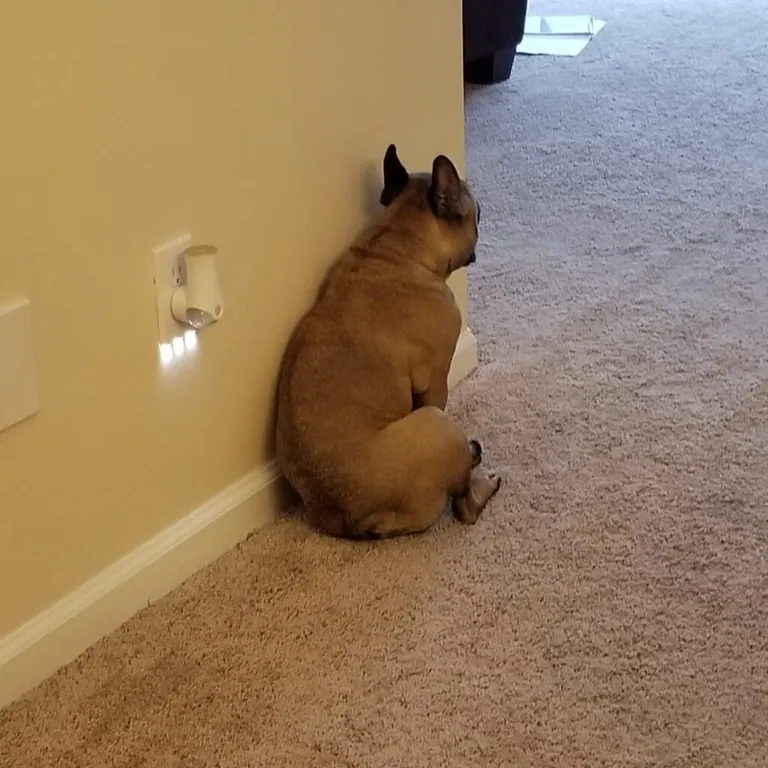
Fear. The most common driver of aggression in dogs. A frightened dog who can’t escape may growl, snap or bite. Poor socialization as a puppy, a bad experience, or simply being cornered can all produce it.
Resource guarding. Growling over food, a chew, a toy or a spot on the sofa is a dog saying they expect to lose something valuable. It’s common and very treatable, and it gets worse if you take things away to “show them who’s boss”.
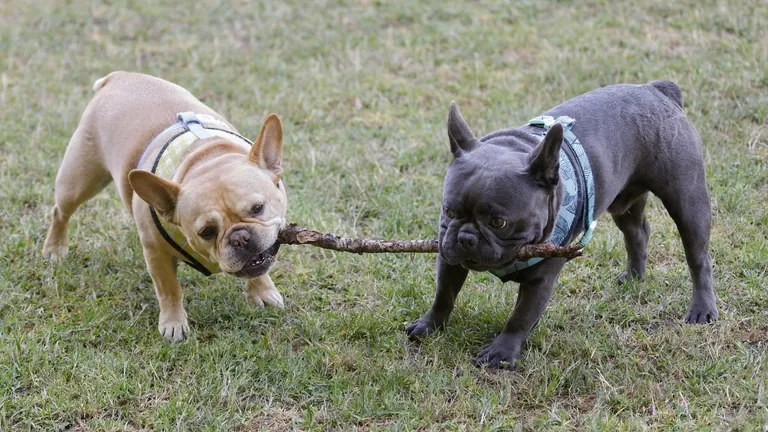
Frustration and over-arousal. An excited dog who can’t get to what they want may redirect onto whatever is nearest, including a hand on the collar.
Being startled. Frenchies sleep deeply, and a dog woken suddenly by a child can snap before they’re properly awake.
What isn’t a cause is dominance. Dogs aren’t running a hierarchy against their owners, and treating aggression as a status contest leads to confrontational handling, which makes bites more likely, not less.
Neutering isn’t a fix either. In a study of more than 13,000 dogs, neutering showed no association with aggression toward familiar people or other dogs, and the authors concluded it “does not result in a predictable decrease in aggressive behavior” (Farhoody and colleagues, 2018). Neuter your dog for the reasons your vet recommends, not as a behavior treatment.
Reading the warning signs
Dogs almost always warn before they bite. Learning the early signals means you can defuse a situation long before teeth are involved.
Early, easy to miss:
- Turning the head away, licking lips, yawning when not tired.
- Freezing, or going still over a bowl or toy.
- Whale eye: the whites of the eyes showing as they look sideways.
- Moving away, hiding, or trying to leave.
Later, unmistakable:
- A hard stare and stiff body.
- Growling.
- Showing teeth, snarling.
- Snapping, which is usually a deliberate miss.
- Biting.
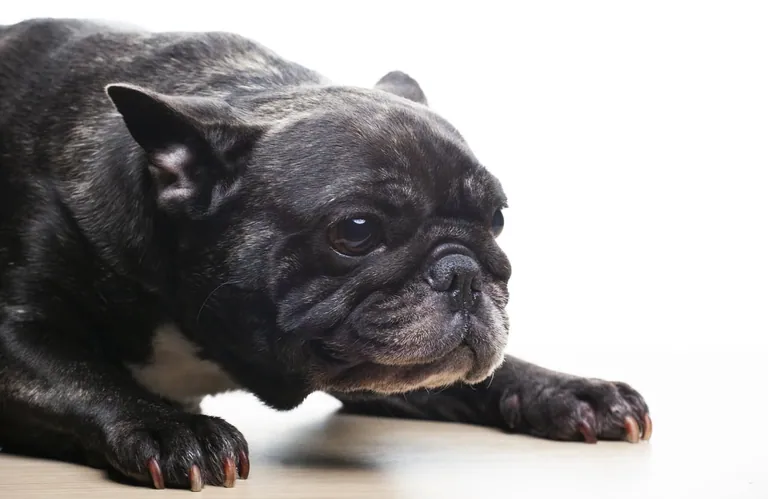
Never punish a growl. A growl is a warning, and punishing it teaches a dog to skip the warning next time. You don’t want a dog who goes straight from still to bite. Instead, back off, work out what caused it, and change the situation.
Punishment in general makes this worse. A dog who is punished for reacting to something often learns that the thing predicts bad outcomes, which increases fear rather than reducing it (VCA Animal Hospitals). Reward-based methods are what the veterinary behavior position statement supports (AVSAB).
Prevention
Socialize early and well. The first three months are the critical window, and puppy classes can start at 7 to 8 weeks after a first set of vaccines (AVSAB). The aim is lots of short, good experiences at the puppy’s pace, not flooding them with everything at once. Our puppy guide covers it.
Teach trading, not taking. Swap a high-value treat for the item your dog has, so giving things up predicts something good. Never wrestle objects out of a dog’s mouth.

Give them somewhere to retreat to, and teach everyone in the house to leave a dog alone there.
Keep training reward-based and short. Our training guide covers the basics, and our guide to stubbornness covers the frustration that gets mistaken for defiance.
Keep them comfortable. Regular vet checks, clean ears, healthy teeth and a lean body all reduce the odds of a dog who hurts.
Children and other pets
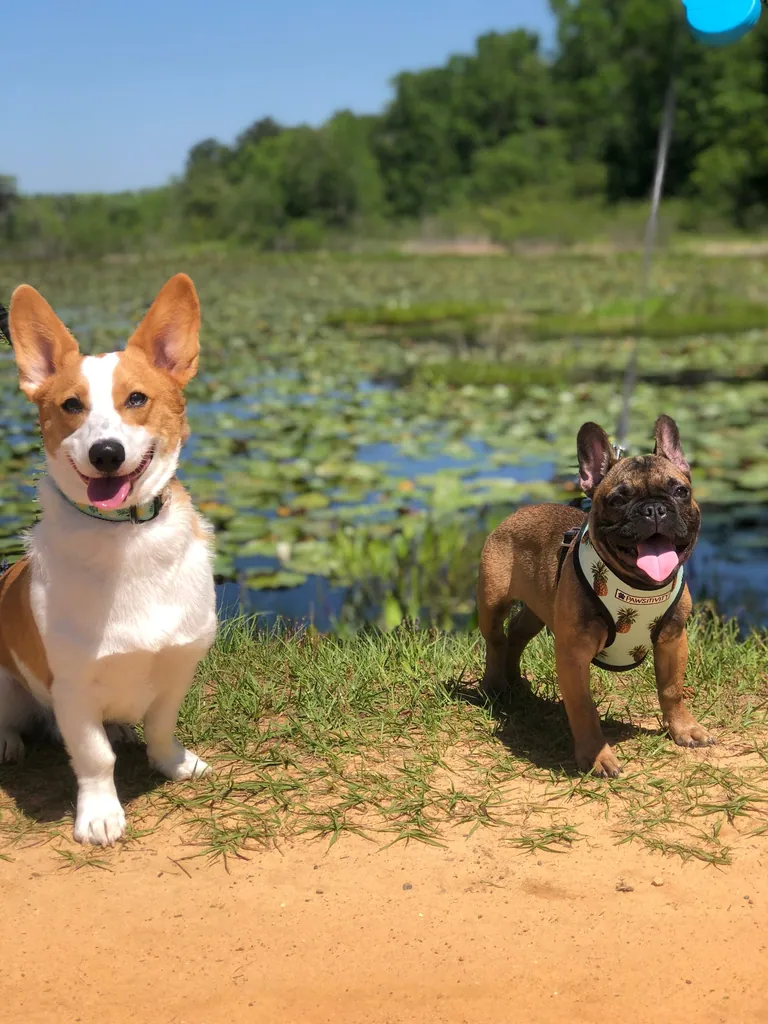
Frenchies are usually good with children, but “good with kids” is never a reason to stop supervising. Most bites to children happen with familiar dogs, in the home, during ordinary interactions.
- Supervise every interaction between young children and dogs, actively rather than from another room.
- Teach children not to hug, lie on, climb on, or disturb a sleeping or eating dog.
- Give the dog an escape route and a place children never go.
- Watch for the early signals above, and intervene before the dog has to escalate.

With other pets, introductions matter more than breed. Our guides to introducing a Frenchie to a cat and helping cats and dogs get along cover the process.

When to get professional help
Call your vet if:
- Your dog’s behavior has changed suddenly.
- There is any growling, snapping or biting at people, whatever the circumstances.
- Your dog is guarding food or objects.
- You’re managing the problem by avoiding things, and the list of things you avoid keeps growing.
Your vet will look for medical causes first, then refer you to a veterinary behaviorist or a qualified, reward-based trainer. Aggression is treatable, but it needs a proper diagnosis, and it’s one of the few dog problems where getting help early genuinely changes the outcome (VCA Animal Hospitals).
After a bite, separate the dog and everyone else calmly, treat the wound and seek medical advice, and write down exactly what happened beforehand. That sequence is what a behaviorist will want to know.
So, are French Bulldogs aggressive?
No, not as a breed. They’re companion dogs who mostly want to be near their people. A Frenchie who growls, snaps or bites is usually in pain, frightened, or guarding something, and all three have treatments that work. What doesn’t work is punishing the warning or trying to out-rank the dog.