
Dog Training
Training a French Bulldog to Walk Off Leash
How to build a recall you can trust, using a long line, and an honest look at whether off-lead walking suits a breed that overheats fast and can't outrun trouble.
Table of contentsContents
Watching your dog trot about freely is one of the pleasures of dog ownership, and plenty of Frenchies manage it happily. But this is a breed where the honest answer to “should I?” is “sometimes, in the right places, once the recall is genuinely reliable.”
Here’s how to build that, and how to judge where it’s sensible.
First, the breed-specific part
A French Bulldog off lead has some particular disadvantages:
- They overheat fast. Frenchies had 6.49 times the odds of heat-related illness compared with Labrador Retrievers (Hall and colleagues, 2020), and a dog running loose in the sun is doing far more than a dog walking beside you.
- They tire quickly. Only around 10% score free of signs of airway obstruction (Tomlinson and colleagues, 2024), so a Frenchie two hundred yards away and out of breath can’t simply run back.
- They can’t swim. A heavy front end and a flat face make them poor swimmers, so open water is a hazard rather than an attraction. Our swimming guide covers it.
- They’re low to the ground and hard to see in long grass, and small enough to be flattened by an enthusiastic larger dog.
None of that rules it out. It does mean the bar for “safe enough” is higher than for a Collie, and that the right venue matters more than the training does.
When to start
Not on day one, whatever the earlier version of this article said. It recommended starting “as quickly as possible” with a puppy fresh from the litter, on the grounds that puppies are slow and easy to catch. That skips over a puppy being outdoors before its vaccinations are finished, and over the fact that a young puppy has no recall at all.
A better sequence:
- Indoors and in a secure garden, from the day they arrive. This is where the real work happens.
- Outdoors on a long line, once vaccinations are complete and you’ve had a few weeks to build a bond.
- Off lead in an enclosed space — a friend’s garden, a hired secure field — once the recall works on the line with distractions.
- Off lead in open space, only if the recall holds up in the enclosed one, and only where it’s legal and safe.
There is a real window worth using: young puppies naturally stay close and check in, and rewarding that generously builds a habit that outlasts the clingy phase. Use it in a fenced space, not on a street.
Build the recall properly
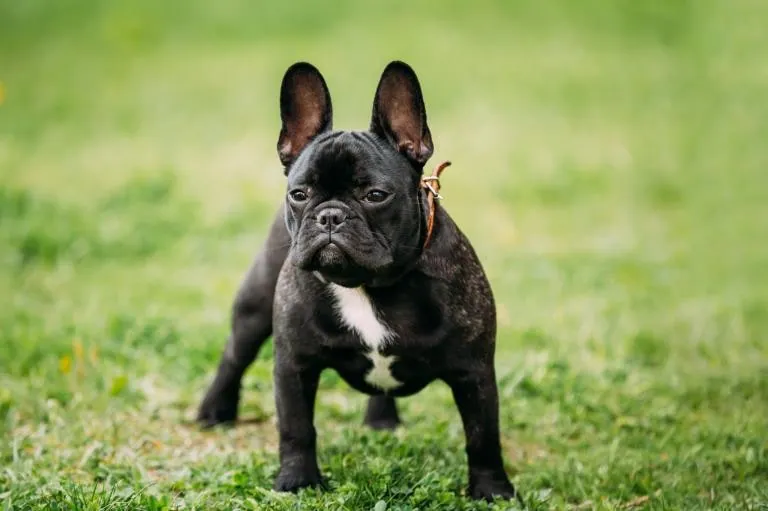
Make your name for it worth coming to. Pick a word you haven’t already worn out. Say it once, in a bright tone, and pay it every single time in the early months, with something genuinely good: chicken, cheese, not kibble.
Reward the check-ins you didn’t ask for. Any time your dog looks at you or drifts back of their own accord, mark it and pay. You’re building a dog who keeps track of you, which is worth more than a dog who obeys a word.
Never call your dog to do something they dislike, and never call them to be told off. If you need to end the fun, go and get them. A recall that predicts the end of the walk stops working within a fortnight.
Don’t repeat the cue. Saying “come, come, come” teaches your dog the word is background noise. Say it once; if nothing happens, go back a step and make it easier.
Practise at low stakes first. Empty room, then garden, then quiet field, then somewhere with smells, then somewhere with dogs. Each step only when the last one is easy.
Keep it reward-based throughout. The veterinary behaviour position statement is clear that training should use rewards, and methods relying on fear, pain or startle should not be used (AVSAB) — which rules out the electronic collars sometimes sold for recall. Our training guide covers the basics.
Use a long line
A long line, five to ten metres, clipped to a harness rather than a collar, is the single most useful piece of equipment here. It lets your dog make real choices at real distance while making it impossible for them to get it wrong badly.
A harness matters in this breed: a sudden jolt on a collar lands on a throat that’s already the narrowest part of a compromised airway. Our harness guide covers fitting.
Let the line trail, keep a foot near it, and don’t use it to reel the dog in. It’s a safety net, not a steering wheel.
Two games that help
Hide and seek. When your dog isn’t looking, step behind a tree. The moment they start scanning for you, call once and let them find you, then make a great fuss. Keep it to a few seconds — the point is teaching them to keep tabs on you, not worrying them.
Walk the other way. If your dog is dawdling and you’re confident they’ll notice, turn and go. Most dogs follow. Only in places where losing sight of each other is safe.
Carry a backup

A squeaky toy or a ball in your pocket often works when a word doesn’t, especially when your dog is deep in conversation with another dog. So does crouching down and looking at something on the ground, which many dogs find irresistible.
If you know your dog won’t listen right now — nose down, fully committed to a smell — don’t call. A cue you can’t back up is a cue you’re teaching them to ignore. Go and collect them instead.
Choosing where
- Fenced, or a long way from roads. Not a street, and not a path beside water.
- Quiet times, until you know how your dog handles other dogs; our guide to introductions covers that.
- Cool parts of the day, with water, and somewhere shaded. Flat-faced dogs cool themselves inefficiently and can get into trouble quickly (PDSA).
- Check local rules. Plenty of parks require leads, and livestock fields always do.
Stop while your dog is still breathing comfortably rather than when they’re struggling. Our guide to walking a French Bulldog covers how much is reasonable.
If it doesn’t work out
Some dogs never get a recall you’d stake their life on, and that’s not a failure. A long line in an open field gives a dog most of the freedom with none of the risk, and secure hired fields have made this much easier than it used to be.
A Frenchie doesn’t need to run free to be happy. Sniffing, pottering and company do most of the work; our guide to playing with your French Bulldog covers the rest.
The short version
Start in the garden, not the street. Move outdoors on a long line clipped to a harness, pay every recall generously, never call your dog for something they’ll dislike, and go off lead in an enclosed space before an open one. Then judge the venue on heat, traffic and water, because this is a dog who can’t outrun a mistake.